Featured

Paper Moon

“If you got ‘em they sure as hell belong to somebody else”

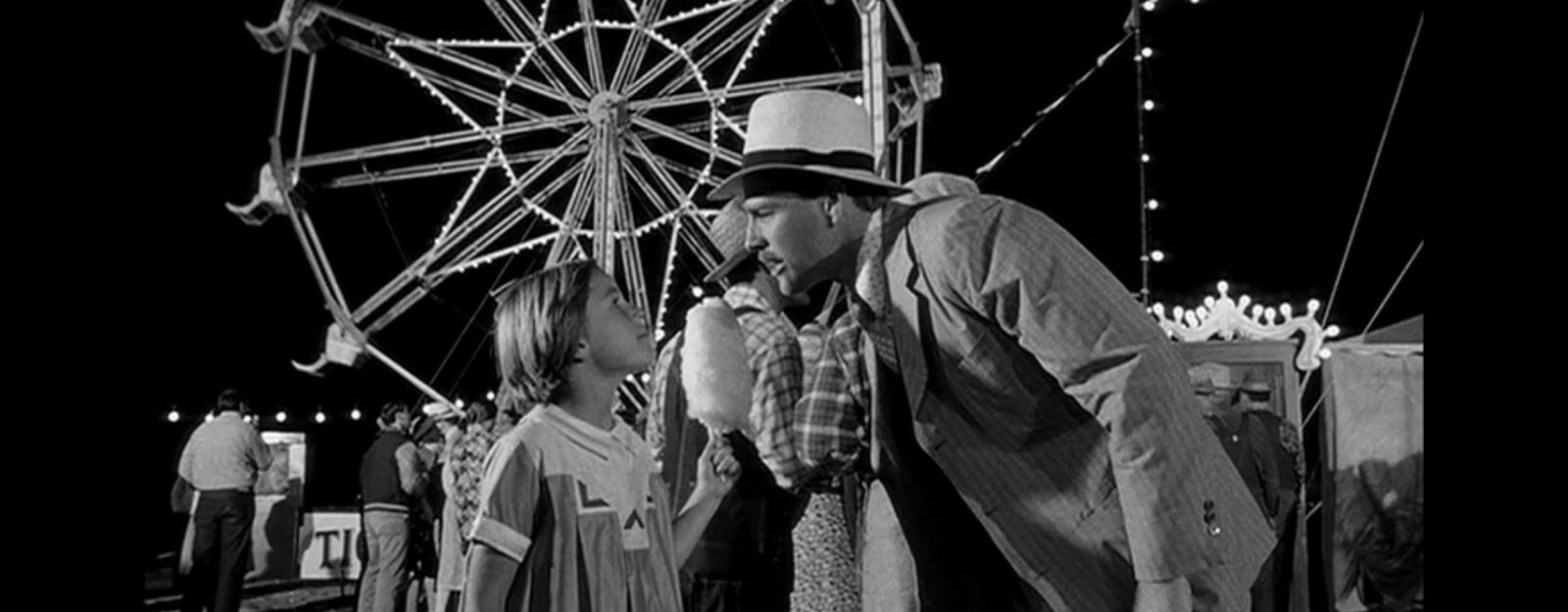
In a 9 year old orphan, who may or may not be his daughter, Moses Pray finds a kindred spirit. His charming but simple approach to scamming widows works well enough for him, but when he inadvertently gets himself into debt with little Addie, she teaches him a lesson in manipulation. A more efficient con artist than him, Addie becomes invaluable to Moses’ scheme; but with her incessant questioning of how he knew her mother, unapologetic smoking and obsession with Franklin D. Roosevelt, it’s all he can do not to abandon her along the way. And why do people keep saying they have the same jawline?
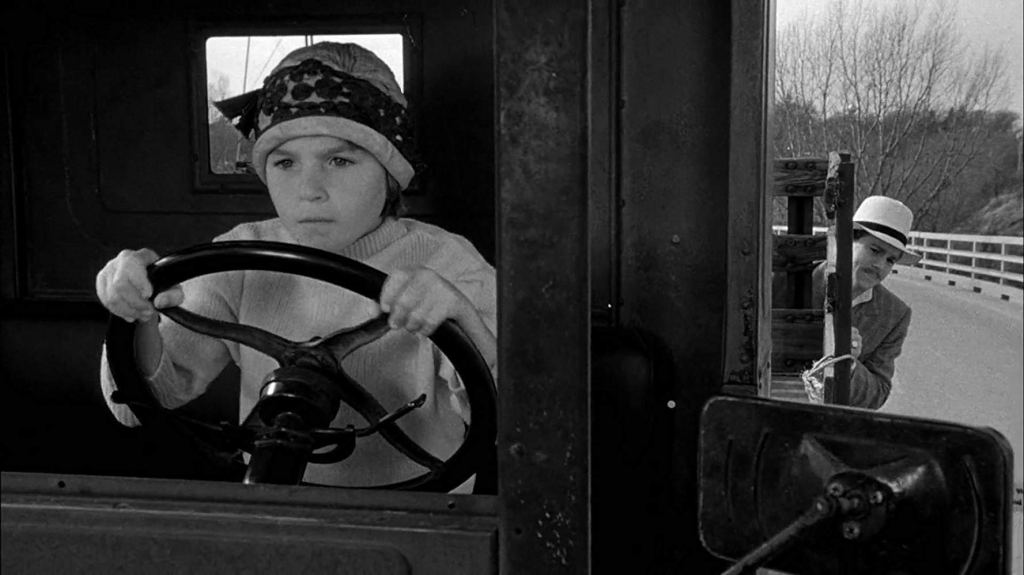
The chemistry between real life father and daughter, Ryan and Tatum O’Neal is fascinating. They share long scenes of garbled conversation and slyly cast expressions and nods. But by all accounts, they weren’t a close-knit family, Tatum had become estranged from her mother and Ryan hoped they could become closer by working together (1). Yet, when she won Best Supporting Actress at the 1974 Oscars, neither of her parents were there. “I had little sense of accomplishment […] in his eyes I read the truth: deep resentment that his own brilliant performance was being dismissed” (Tatum O’Neal, 1). Many people were also perplexed by her nomination in the Supporting category. No one was less confused than director Peter Bogdanovich who claimed she was on screen for 100 of the 103 minutes.  

Joe David Brown’s 1971 novel, Addie Pray, is set in Georgia, but Bogdanovich wanted to avoid false sounding accents and based his film in Kansas and Missouri which were more familiar to him. The decision to film in black and white was to suit the book’s 1935 Great Depression era backdrop, thus evoking a certain bleakness apt for the time. Bogdanovich also worried that putting the O’Neals in colour would make them far too blonde and attractive to be convincing as desperate and penniless (2).

“Maybe I’ll get a new pair of shoes, a nice dress, a few laughs – times are hard.”
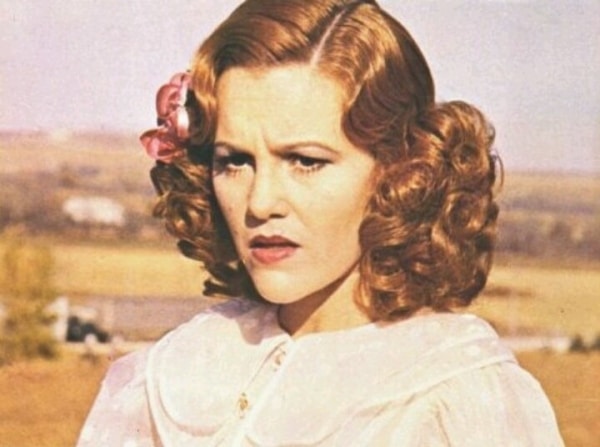
It isn’t just the door-to-door cons that provide an amusing if grim sense of place. Brands appear boldly at a time of somewhat stunted consumerism. The cigar box where their profits are kept, the magazines that Addie reads and the radio shows that she listens to are all signs of a faithfully reconstructed period (3). The infuriating and tragic figure of Miss Trixie shows the variations of survival and the whiskey scam tests the limits of the pairs’ powers of smooth-talking. Not to mention, Addie’s chain smoking is shocking by any standards; although the ones Tatum smokes in the film are made of lettuce (4).

This film hadn’t been on my radar at all until this year and I’m really glad I know about it now! Its absurdity is complimented by the genuine concerns over poverty and decency, the O’Neal’s are perfect in their roles as selfish and deceitful yet lovable rogues, and the comedy still lands today. Most people I asked mistook the title for the TV series starring Jodie Foster which was made the following year; but this deserves remembering, not only as its inspiration, but in its own right as a funny, clever and regularly touching piece of movie history.

Paper Moon. 1974. (Film). Peter Bogdanovich. Dir. USA: The Directors Company

  1. Bruce Fretts. ‘Why Tatum O’Neal’s 1974 Oscar win was clouded in family drama’. Independent. 24 Jan 2019.  https://www.independent.co.uk/arts-entertainment/films/oscars-tatum-oneal-oscars-paper-moon-history-youngest-winner-a8738481.html?fbclid=IwAR12n7tBaQtZ5uKs2icVL7Eq3m55623T4NeG7B33O71G8l3DtNBljAbuetk
  2. moviediva. ‘Paper Moon’. moviediva. Nov 2010. http://www.moviediva.com/MD_root/reviewpages/MDPaperMoon.htm
  3. Michael Brooke. ‘It’s Only a Paper Moon…’. Eureka Paper Moon booklet. 2015.
  4. ‘Paper Moon’. IMDB. https://www.imdb.com/title/tt0070510/?ref_=ttmi_tt

Paper Moon is available on Blu-Ray and DVD. See Find the Films for where to watch or buy it.

Make Mine Music

‘Who ever heard of an operatic whale?’

‘The Whale Who Wanted to Sing at the Met’

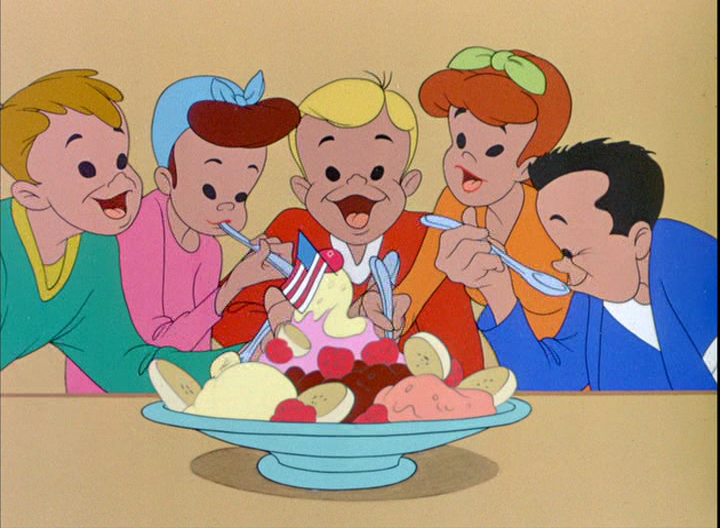
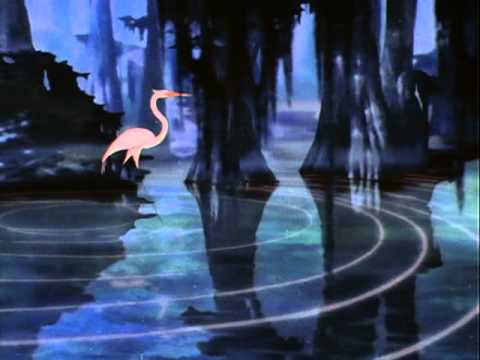
The first Disney picture to come out following the Second World War, Make Mine Music (1946) is an animated mash-up of opera and jazz, romance and revenge, folklore and fairy tale. Strongly resembling the 1940 musical Fantasia, these 10 self-contained stories are creative and fun, though much has been changed since its original release.

Make Mine Music was the first of 4 ‘package films’; there hadn’t been enough resources or manpower to continue making full length features during the war so smaller ideas remained undeveloped, they were too long to be shorts and too short to be movies, so were bundled together (1). Some found this approach a bit all over the place compared to Fantasia (2) but with more freedom to collaborate with musicians and different genres included throughout it feels far more vibrant.

‘All the Cats Join In’

However, some of the more problematic scenes were in need of updating so you won’t be able to find a version of the film today as it appeared in 1946. Some copies that exist don’t even have all 10 of the original stories in them. One of the segments (‘Martins and The Coys’) was cut from the first VHS and DVD releases because of its use of gunplay (1), although I would have argued the casual references to domestic abuse were more worrying. Another needed reanimating in parts due to the over sexualised nature in its depiction of teenagers, in the new edition you’d hardly notice where the issues were. (This is from the ‘All the Cats Join In’ story which is probably my favourite despite still having some questionable messages concerning body image).

Due to the timing of its release, Make Mine Music notably includes a Russian story: ‘Peter and the Wolf’. The USA and the Soviet Union were allies for much of WWII and the hostilities which would lead to the Cold War wouldn’t start until 1947 (1). So Sergei Prokofiev’s story was sympathetically told, retaining the Russian names and following the plot almost exactly but for the fate of Sonia the duck whose demise became a lucky escape instead (3). It is thought that Prokofiev wrote this as a political allegory: Peter represents Peter the Great, and therefore Russia, whilst the wolf is Hitler as Adolf means noble wolf in German (1).

‘It’s June in December, if you just remember, that true love will come shining through.’

‘Johnnie Fedora and Alice Bluebonnet’

The more classical pieces of music include a deleted scene from Fantasia and the heart-breaking story of ‘The Whale Who Wanted to Sing at the Met’. In a cruel twist and against the grain of other Disney films, there is a terribly sad ending (I won’t reveal, you’ll have to watch it!), which despite being absolutely unprepared for, made me enjoy the film more as a whole as it confirmed how different and special all the stories were.

‘Blue Bayou’

I had not heard of Make Music Mine before last year, and it remains incredibly hard to find; it is, at time of publication, the last hand-drawn animation that is not available on Disney + (4), and depending where you are in the world you might only find an adulterated version. I honestly loved it, for its quirky and individual stories which would have been otherwise rejected and wonderful music which feels less highbrow than Fantasia but just as exciting.

Make Mine Music. (1946) Film. Bob Cormack, Clyde Geronimi, Jack Kinney, Hamilton Luske, Josh Meador. Dir. USA: Walt Disney Productions.

  1. Make Mine Music’. IMDB. https://www.imdb.com/title/tt0038718/?ref_=ttfc_fc_tt
  2. Jerry Beck. ‘Disney’s Make Mine Music on Records’. Cartoon Research. 9 Aug 2016. https://cartoonresearch.com/index.php/disneys-make-mine-music-on-records/
  3. Demos Euclid. ‘Default Disney: Make Mine Music (1946)’. Hilarity By Default. 6 Jun 2017. https://hilaritybydefault.com/2017/06/06/default-disney-make-mine-music-1946/
  4. ‘Western Animation/ Make Mine Music!’. TV tropes. https://tvtropes.org/pmwiki/pmwiki.php/WesternAnimation/MakeMineMusic

Make Mine Music is available on DVD. See Find the Films for where to watch or buy it.
Miracle Mile

‘They swore they’d never talk to each other until the day they died’

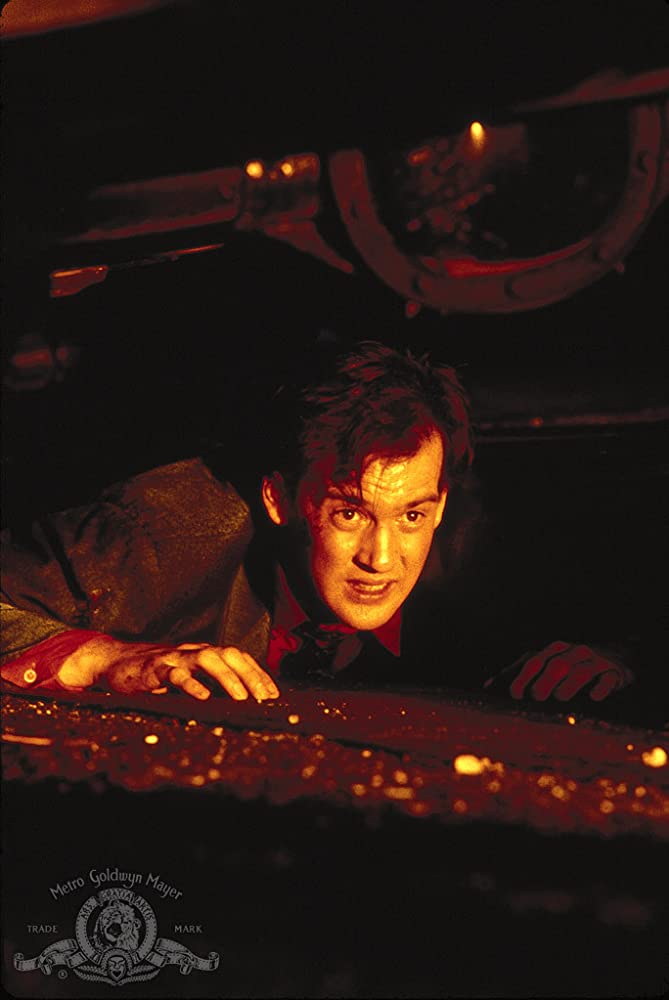
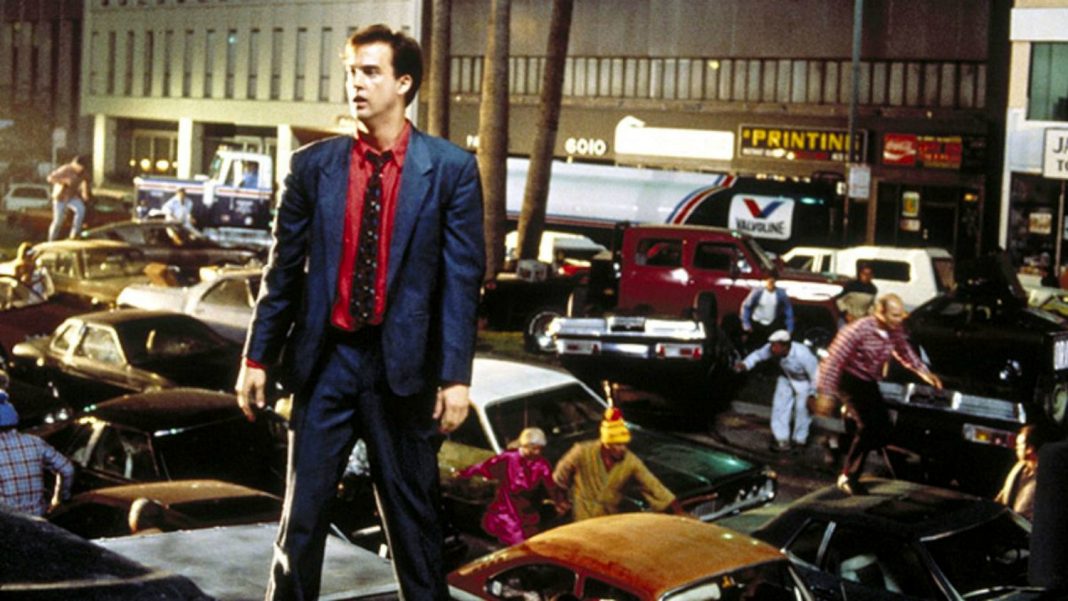
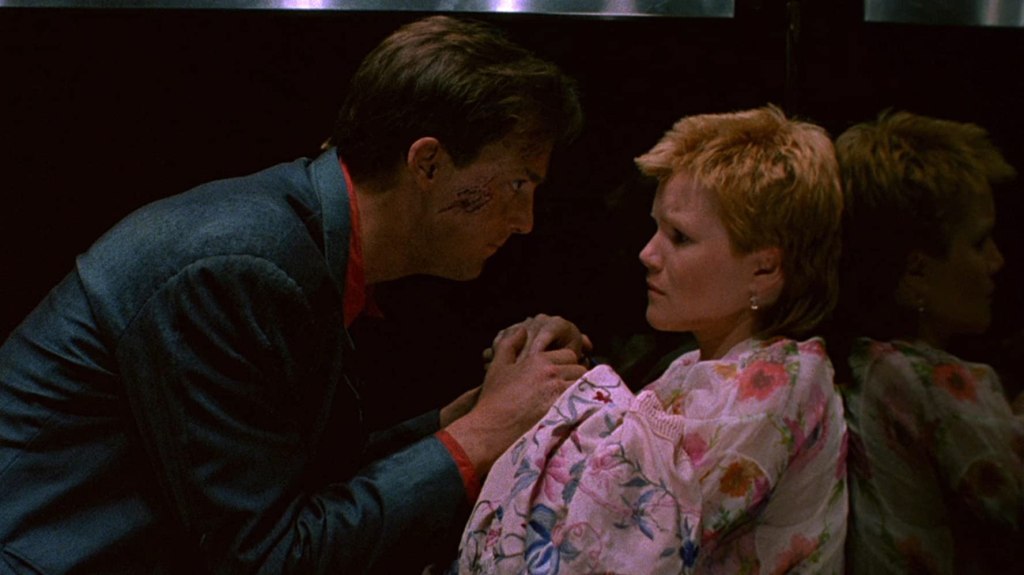
Blurring the lines between tender romance and apocalyptic nightmare is Steve De Jarnatt’s Miracle Mile, proving you can have the best of both worlds. After being lulled quite happily into a John Hughes-esque love-at-first-sight sequence, prepare to be utterly unprepared for the swift transition into end-of-days mayhem after one fateful call to a payphone.

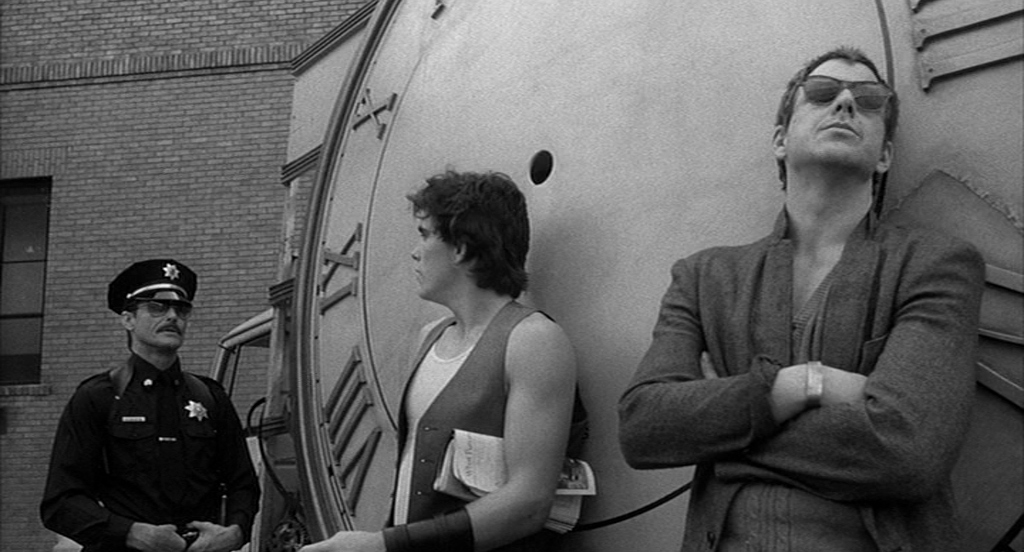
Anthony Edwards and Mare Winningham, who were both staples of 80s teen films (1), play Harry and Julie. Falling head-over-heels the first day they meet and convinced of the predestined power of fate, Harry spends the rest of the film trying to be with Julie, establishing the importance of time to the plot. Clocks are present in most scenes as a reminder of the real time action, building the anxiety and uncertainty. Before all hell breaks loose, there is a moment of haunting foreshadowing: a bird brings a cigarette that Harry has thrown away back to her nest which sends the other twigs up in flames, leaving the babies to cook in their shells… I’m just easing you in.

A semi-decent knowledge of the everyday fear of nuclear war that used to exist would certainly be helpful to understanding the reactions in the film. Even without it the automatic recognition of impending doom in the characters is enough to make anyone sympathetic to their terror. A study in America found that the majority of children growing up between the 50s and 70s regularly had nightmares about nuclear war, in fact the children of the later decades were even more resigned to the idea than their earlier counterparts (2). So on its release in 1988, there would be no one who saw it who didn’t immediately understand the horror they would feel too.

‘Is this your blood or mine?’

This film surely deserves 80s cult classic fame. It has everything! Action, romance, anarchy, laughs, suspense, the lot! I love the random selection of people who are saved from annihilation because they happened to be in that diner at 3am. Paranoia mounts when escape seems less and less plausible, but who can be sure it’s not all just an appalling hoax? To steal a quote from Roger Ebert’s review in 1989, “Much of the movie’s diabolical effectiveness comes from the fact that it never reveals, until the very end, whether the nightmare is real, or only some sort of tragic misunderstanding” (3).

Steve De Jarnatt spent the best part of 10 years trying to get it made (1), and thankfully didn’t settle for the Hollywood ending that might be expected. Despite being nominated for 4 awards, and winning 2, Miracle Mile lost money at the Box Office making a little over $1 million when the budget had reached nearly $4 million (4).

I was blown away watching this. The classic 80s score by Tangerine Dream enhances the romance and catastrophe on screen (5). The descent into utter chaos with no fear of consequences shows the most desperate extremes of human behaviour, at their ugliest and most heart-warming. Miracle Mile asks, when faced with the end of the world: how would you escape, who would you save and would you even want to know?

Miracle Mile. (1988). Film. Steve De Jarnatt. Dir. USA: Miracle Mile Productions Inc.

  1. Ian Shultz. ‘Miracle Mile is an apocalyptic thriller that’s more relevant than ever’. Little White Lies. 15 Oct 2017. https://lwlies.com/articles/miracle-mile-cult-sci-fi-nuclear-war/
  2. Stephanie Buck. ‘Fear of nuclear annihilation scarred children growing up in the Cold War, studies later showed’. Timeline. 29 Aug 2017. https://timeline.com/nuclear-war-child-psychology-d1ff491b5fe0
  3. Roger Ebert. ‘Miracle Mile’. RogerEbert.com. 9 Jun 1989. https://www.rogerebert.com/reviews/miracle-mile-1989
  4. Miracle Mile’. IMBD. https://www.imdb.com/title/tt0097889/?ref_=ttmi_tt
  5. Jonny Coleman. ‘Miracle Mile Is an L.A.-Set Apocalypse Love Story for the Ages’. Los Angeles Magazine. 25 Sep 2018. https://www.lamag.com/culturefiles/miracle-mile/

Miracle Mile is only available to watch on Blu-Ray, as far as I know. See Find the Films for where you can buy it.

Move Over, Darling

“I thought you might think what I thought you were thinking”

– Doris Day (1963)

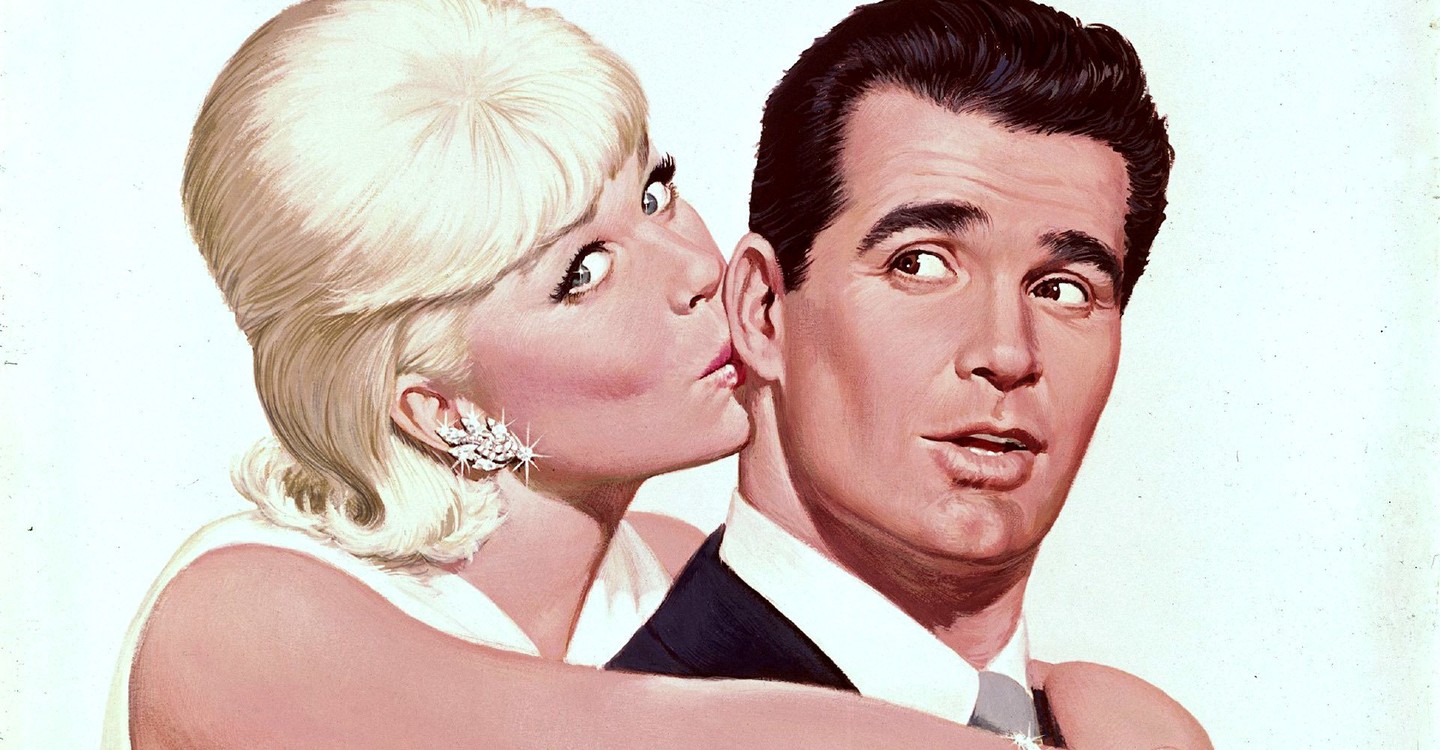
This truly bizarre rom-com is not only unexpectedly enjoyable, it bucks the trend often assumed of remakes, in that it is far superior to its inspiration. Returning home after years of being lost at sea, Ellen Arden finds that she has been officially declared dead and recently replaced by her husband. But the silliness really begins when she follows the bride and groom to their honeymoon and Nick Arden must manage his accidental bigamy.

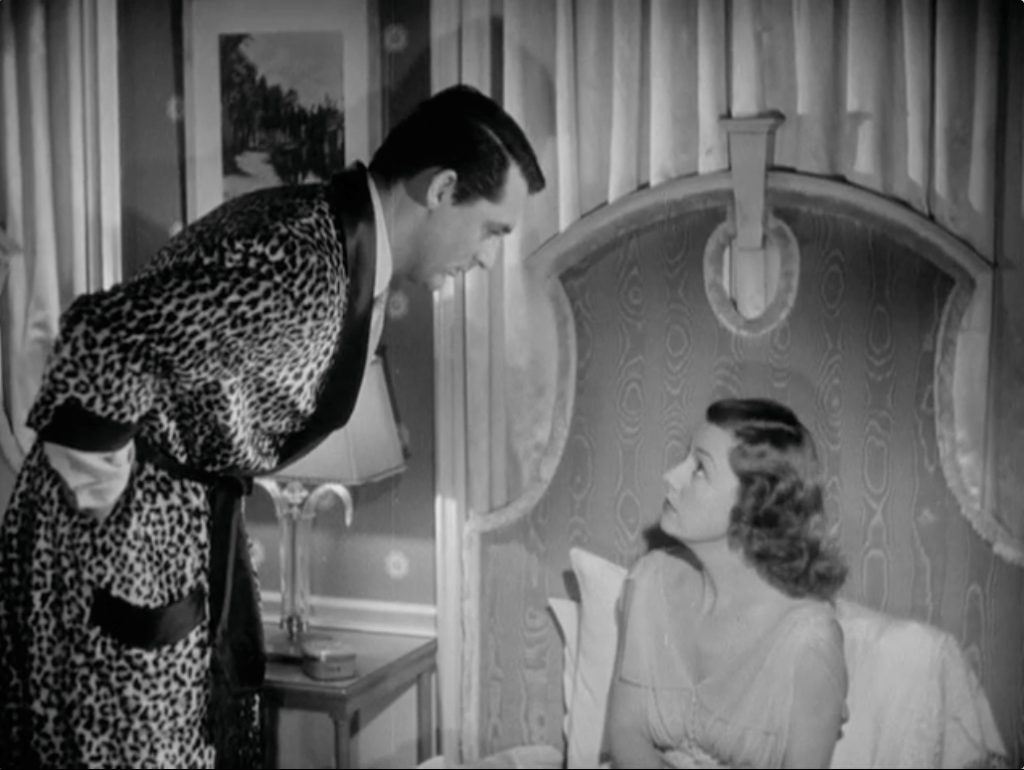
The original, My Favourite Wife, stars Cary Grant and Irene Dunne and is played shamelessly for laughs without much consideration for the seriousness of the wild storyline. Mrs Arden 2.0, Bianca, is a bore and elicits little sympathy despite her obviously blameless predicament. The rival love interest Steven, is unrealistically impressive yet frankly seems to be a decent alternative to the stupendously cowardly and envious Nick. At the point you think the film has resolved itself, it drags you through another unnecessarily strange 10 minutes of playing hard-to-get which ends with Cary Grant dressed as Santa Claus in spring. (I don’t know).

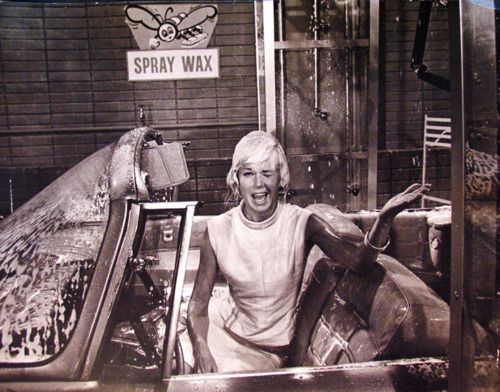
Move Over, Darling had some reparation work to do, and against all the odds, succeeded! Tonally there is a huge difference. Although still a comedy, and less afraid of slapstick than My Favourite Wife, there are heartfelt moments and a true sense that Ellen Arden really missed her family for those years she was away. Doris Day leads the cast and does so with a playful charm and unquestionable authority. Bianca’s character is better developed; despite still being emotionally manipulative and whiny, she is also lustful (1) and kooky – at least by the standard of the times: her interest in psychology is supposed to discredit her. Steven is more of a pest than a prospect and the resolution feels earnt and just.

“How was my funeral? … I wish I’d been there.”

– Irene Dunne (1940)

Between these polar opposites is the 1962 remake Something’s Got To Give starring Marilyn Monroe and Dean Martin. Famously Marilyn died before the film was finished so it only exists in part. This was the first feature she had made in a year, having taken some time off for surgery and her depression. When she returned she had lost a lot of weight; Twentieth Century Fox were delighted, producer Henry Weinstein said ‘she didn’t have to perform, she just had to look great’ (2). As she became too difficult to handle, having to be coaxed out of her trailer and regularly fluffing lines in a drug-induced haze (2), Fox fired her but Dean Martin refused to work with anyone else. His contract stipulated that he had approval of his co-star, so they eventually agreed to rehire her. Whether she knew this when she took her own life in August 1962 is unknown (3).

From what exists of the footage from Something’s Got To Give, it is clear that it wasn’t nearly as polished as Move Over, Darling. It is in fact more similar to My Favourite Wife in that it selects its moments of seriousness and silliness incorrectly and I found myself cringing in the same places. Perhaps it was the extra time spent on the script, or maybe Doris Day was just better suited to the role, but the most recent version certainly blows the others out of the water.

I wanted to write about this remake of a remake because it feels special: it cannot fundamentally be made again! There is no way that a ship or a plane could lose passengers without a trace, certainly not for 5 or more years, nowadays. In a time when Hollywood seems to churn out increasingly recognisable stories lacking originality, this is unique. Don’t get me wrong, this film isn’t life-changingly good; but there is a certain satisfaction that comes with an old school rom-com that’s as weird as this one is.

Move Over, Darling. (1963). Film. Michael Gordon. Dir. USA: Melcher-Arcola Productions.

Something’s Got To Give. (1962). Film. George Cukor. Dir. USA: Twentieth Century Fox.

My Favourite Wife. (1940) Film. Garson Kanin. Dir. USA: RKO Radio Pictures.

  1. ‘Move Over, Darling’. Variety. https://variety.com/1962/film/reviews/move-over-darling-1200420360/
  2. Alexandra Pollard. ‘Something’s Got to Give: The story of the Marilyn Monroe film that never got made’. Independent. 29 Mar 2019. https://www.independent.co.uk/arts-entertainment/films/features/somethings-got-to-give-marilyn-monroe-some-like-it-hot-final-film-footage-dead-movie-a8844316.html
  3. ‘Marilyn: Something’s Got To Give’. IMBD. https://www.imdb.com/title/tt0215969/trivia?ref_=tt_trv_trv

Move Over, Darling is available on DVD. See Find the Films for where to watch or buy it.
Rome, Open City

“All the anxiety and fear. Can’t Christ see us?”

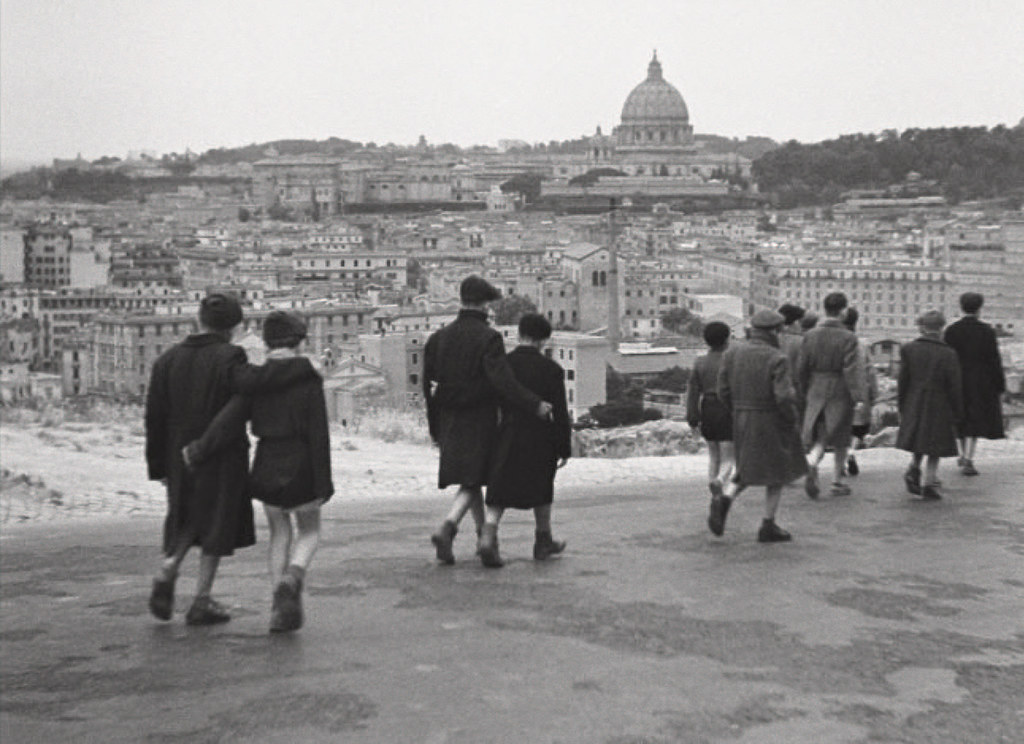
In Nazi Occupied Rome, the Italian Resistance hide in plain sight. The children quickly pick up their revolutionary spirits; one evening, with the best intentions spurring them on, they blow up a petrol-tank, alerting the Gestapo of the whereabouts of one of the Resistance’s leaders.

Created immediately after the German Occupation of Rome ended, using leftover scraps of film reel, Rome, Open City was the first of Roberto Rossellini’s ‘War Trilogy’ and the only example that took place while there was a war still going on! Italy had surrendered to the Allied forces in October 1943 but German troops stayed there for a further 8 months (1 – for more on the history of Italy’s role in the war and Rome’s involvement). They left in June 1944, the idea for the film was conceived in August and filming began in early 1945.

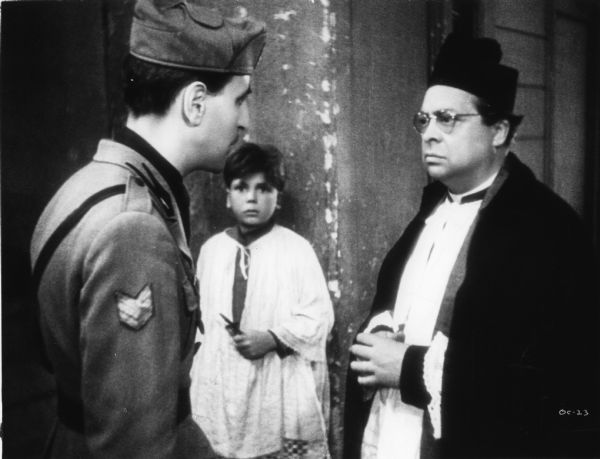
Rossellini was driven by a desire to expose the brutalities and indignities suffered by Romans (2), including the sad and true story of a priest who forged documents for the Resistance, played by Aldo Fabrizi. With the memories of Occupation still fresh to the people of Rome, Fabrizi recalls that on the day of shooting his arrest, a tram was going by. A man on board, presumably not noticing the cameras, saw several people in German uniforms manhandling a Catholic priest and pulled out a revolver. Fabrizi began shoving the ‘Officer’, who was actually just the grip in costume, into the car and shouting ‘Don’t Shoot’! Happily, the crisis was averted and the scene was dubbed over with ‘Leave me alone’; it unsurprisingly plays out as a very realistic struggle (3).

“Hatred will destroy us. We don’t have a hope.”

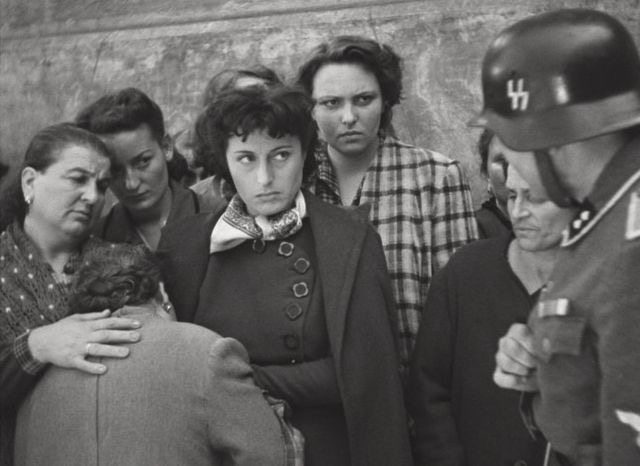
Fabrizi and Anna Magnani were the most well-known names if not necessarily the leads. They were both comic actors at the time but perform their tragic roles beautifully. As Pina, Magnani is the fiercest lady in Rome, including the drug-pedalling German informant Ingrid. She has a notoriously sharp-tongue and is passionately protective of her son and fiancée. She wrestles with her faith, feeling guilty and trapped in her pregnancy, all the time exuding warm optimism for the benefit of her family (4).

The film’s tone shifts when one of the characters is shot dead in the street. The Italian reaction to the film’s premier was lukewarm (5), the people favoured escapism and were evidently not eager to see their recent turmoil on the big screen. Yet it won a prize at the Cannes Film Festival and when it arrived in America, in the backpack of a returning soldier, it was a Box Office hit. It was heralded as the birth of neo-realism, generating a tapestry of real stories to create the characters and plot.

Without being aware of its context, it’s a very moving film about a place in World War history that I feel is largely forgotten about. However, with the background and foundations in mind, it is one of the best war films there is. The uniqueness of filming on location in bombed buildings, during a time when in-studio filming was more popular, and given the danger still arguably imminent creates a palpable tension. It surprised me. I laughed unexpectedly and gasped in shock (honest), and came away utterly perplexed at how underrated it is. I would recommend watching the restored edition, as the cocktail of film reels that were used for the original make for a difficult viewing, but mainly because it deserves it.

Rome, Open City. (1945). Film. Roberto Rossellini. Dir. Italy: Excelsa Film.

  1. Elly Farelly. ‘June 1944 – Rome Falls to the Allies in the Second World War’. War History Online. 28 May 2017. https://www.warhistoryonline.com/world-war-ii/fall-rome-fight-italy-m.html
  2. Jonathan Rosenbaum. ‘Rome, Open City: History as Adventure.’ Roberto Rossellini The War Trilogy booklet. 2015.
  3. The Children of Rome, Open City. (2005) Film. Laura Muscardin. Dir. Italy: Nuvola Film.
  4. Arun Kumar. ‘Rome, Open City (1945) Review – A Powerful Lament on the Quiet Defiance of War-Affected Italians’. High on Films. 17 Feb 2020. https://www.highonfilms.com/rome-open-city-1945-review/
  5. Geoff Andrew. ‘Rome, Open City: what makes a classic?’ BFI. 24 Apr 2019. https://www.bfi.org.uk/news-opinion/news-bfi/features/rome-open-city-what-makes-classic

Rome, Open City is available on DVD and Blu-Ray. See Find the Films for where to watch or buy it.
Rumble Fish

“He’s like royalty in exile”

The Motorcycle Boy Reigns. On the walls of derelict buildings and forgotten alleyways his memory haunts those who he left behind; those who loved him, those who feared him and those who idolised him. His return spells chaos for Rusty-James; obsessed with reputation and pining for the good old days of gang warfare, Rusty-James is faced with the crumbling sanity of his hero, the brother he doesn’t recognise.

In theory Francis Ford Coppola’s name attached to any film should generate a buzz, but not only is this film little heard of, it was a Box Office disaster. With a budget of $10 million, the film made less than $2.5 million worldwide (1) – although it appears to have had next to no release outside of the US initially. But this came after the incredible success of The Godfather (1972) and Apocalypse Now (1979) so why wasn’t it seen? Separating Coppola’s work into two distinct types, one set of films that are of a classic Hollywood style and comparatively mainstream and another more personal and artistic (2), Rumble Fish certainly falls into the latter category and might explain why it didn’t hit those familiar notes with audiences.

Regardless of its reception, Coppola claims Rumble Fish is in his top 5 favourite films that he made (1), probably because it had significant personal meaning to him. He dedicated the film to his older brother August whom he considered his ‘best and wisest teacher’, shadowing the dynamic which appears on screen. He gave his nephew, Nicolas Cage, his debut film role as well as August’s old Wild Deuces social club jacket to wear in the film (3).

At first, Rumble Fish was a short story by S. E. Hinton written in 1968, expanded into a novel much later. She has a cameo role in the film, appearing briefly as a prostitute (3). Hinton also worked on the screenplay with Coppola during days off from filming another adaptation of one of her books: The Outsiders – released in the same year and more financially successful, The Outsiders was still trashed by the critics at the time.

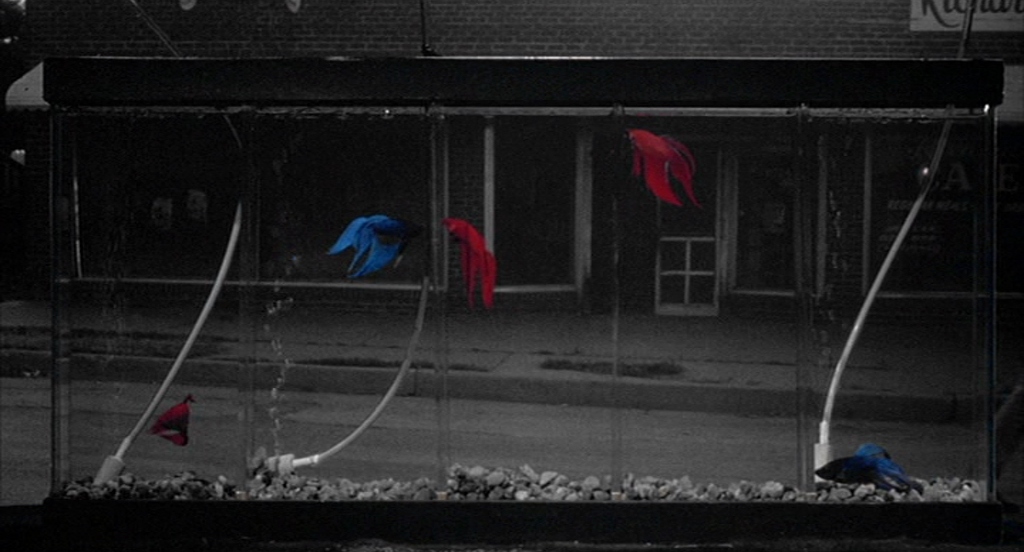
What is particularly admirable about how the film looks, not simply its being in black and white, is how stylish it is. Coppola employed Michael Smuin of the San Francisco Ballet to choreograph the fight scene which it starkly reminiscent of West Side Story. It’d be impossible to fail to notice the countless examples of symbolism: from the fast-moving clouds and passing shadows to smoke, reflections and various bodies of water, all signifying the loss of time and lack of freedom. More obviously is the regular inclusion of clocks and of course the fact that the actual rumble fish which the Motorcycle Boy wants to save are the only part of the film in colour.

“I don’t think they’d fight if they were in the river”

This film was totally new to me when I watched it this week and I only wished I’d seen it sooner! Touching on mental illness through the stifling setting of teenage gang culture, I was impressed by how vulnerable these outwardly tough characters were allowed to be. Whether they sink or swim depends on how they deal with their trauma and what they do next.

Rumble Fish. 1983. (Film). Francis Ford Coppola. Dir. USA: Zoetrope Studios.

  1. ‘Rumble Fish’. IMDB. https://www.imdb.com/title/tt0086216/?ref_=tttr_tr_tt
  2. Brian Greene. ‘Page to Screen: Rumble Fish & The Outsiders’. Criminal Element. 25 Apr 2017. https://www.criminalelement.com/page-to-screen-rumble-fish-a-the-outsiders/
  3. Curtis Tsui. ‘Ten Things I Learned: Rumble Fish’. The Criterion Collection. 25 Apr 2017. https://www.criterion.com/current/posts/5597-10-things-i-learned-rumble-fish

Rumble Fish is available on DVD and Blu-Ray, I recommend getting the sharpest quality version you can as it’s such a visual treat! See Find the Films for where to watch or buy it.
Once Upon a Time in the West

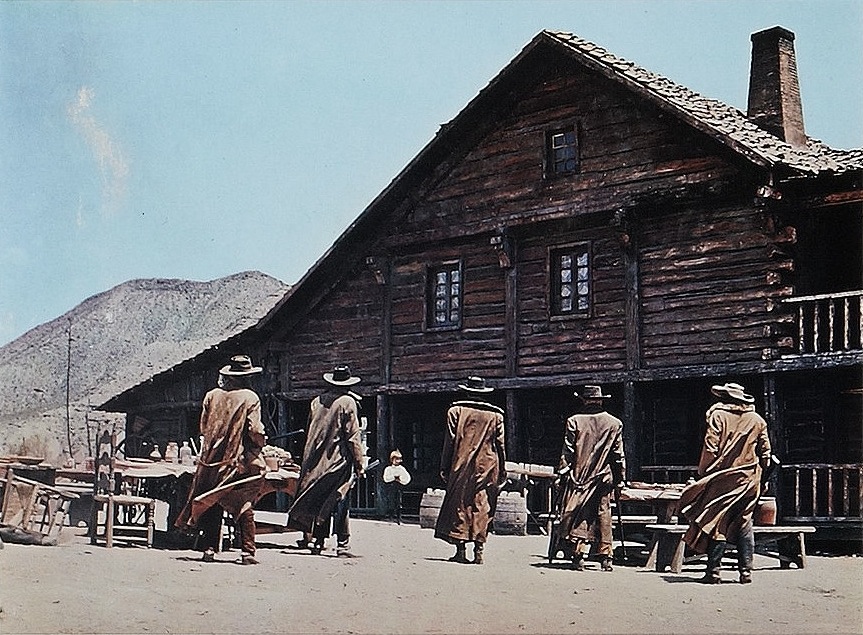
“I saw three of these dusters a short time ago… Inside the dusters, there were three men… Inside the men, there were three bullets.”

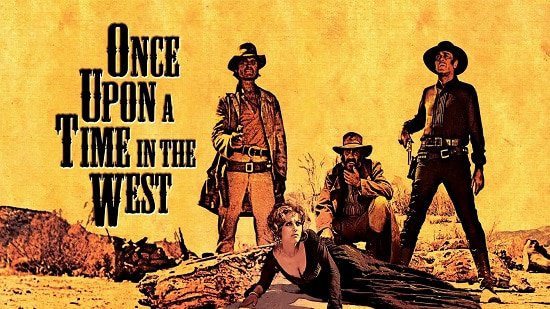
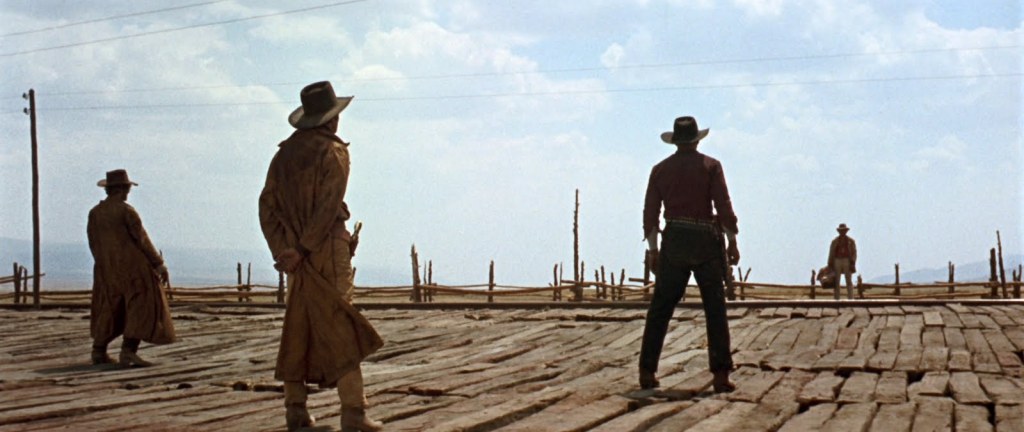
The 10-minute opening sequence of Sergio Leone’s 1968 epic Western is a lesson in suspenseful film-making. A minor character chases a fly around his face whilst another catches dripping water in the brim of his hat without flinching. In a few moments they will both be dead.

As the title suggests, we are witness to just one of many stories of vengeance and liberation in the West; the concept of time will play a crucial role in the development of both characters and place. The original Italian title, C’era una volta il West, similarly conveys the film’s purpose – volta meaning a ‘turning point’ in the context of music and writing (1).  The turning point in question is the major change to the setting which impacts all the characters’ motives and storylines: the railway. The tracks, which are present throughout the film, represent opportunity to each of the characters, either as a means to power or escape.

The four main characters each have a striking musical introduction, created by Ennio Morricone, making the movie into a quasi-opera (2), the most haunting of them all being Harmonica’s. Simple and repetitive, Harmonica (whose real name is never revealed) plays his tune as a warning or threat before any meeting. The music suits the personalities and journeys on screen in between the lengthy silences, and for the duration of the film helps to build the tension towards the climactic confrontations. The fall of the powerful, however inevitable, is dragged to the very end, making for a very satisfying crescendo and the domesticity of the final image gives hope that the brutish old ways of the West can be left in the past making way for the prosperity the railroad will bring.

“How can you trust a man that wears both a belt and suspenders? Man can’t even trust his own pants.”

It was Henry Fonda’s first role in a Leone film and the director had Fonda’s “baby blues” in mind when casting his villain (3). Leone was so eager to work with Fonda, he flew to New York to persuade him and eventually Eli Wallach convinced him to accept the role (4).  Sophia Loren was Leone’s first choice to play Jill, and her husband Carlo Ponti was prepared to provide generous financial backing, but Leone feared she would try to influence the making of his film, so instead cast his personal friend, Claudia Cardinale (5).  The role of Harmonica was given to Charles Bronson who had turned down Leone previously when offered parts in his Dollars Trilogy, but he only accepted after Clint Eastwood had declined first.

I love this film primarily, without trying to be too Nigella Lawson about it, for its sumptuousness. The dialogue is clever and the pauses even more so. The sweeping landscapes are gorgeous and the close-ups intense. The characters are nasty and selfish and smart. It’s a long one, but it’s worth it; I hope you watch it and recommend me some more!

Once Upon A Time In The West. 1968. (Film). Sergio Leone. Dir. USA: Paramount Pictures.

Ennio Morricone. Once Upon A Time In The West (Original Motion Picture Soundtrack). Spotify. https://open.spotify.com/album/1mLXrA8oEtzeH6D45Zx4Bt

  1. Dan Einav. ‘How Once Upon A Time In The West Reflects the Social Anxiety of 1968’. Little White Lies. 11 Mar 2018. https://lwlies.com/articles/once-upon-a-time-in-the-west-sergio-leone-1968/
  2. Ronald Bergman and Rob Hill. ‘Once Upon A Time In The West’. 501 Must-See Movies. Ed: Emmas Hill. London: Bounty Books, 2004. 516-517.
  3.  ‘Henry Fonda Talks about his casting in Once Upon A Time in the West’. Youtube. 11 Jul 2007. https://www.youtube.com/watch?v=cHI6Hl7FUqA
  4. Tom B. ‘Once Upon A Time in the West ~ Henry Fonda’. Westerns All Italiana. 21 Dec 2018. https://westernsallitaliana.blogspot.com/2018/12/once-upon-time-in-wet-henry-fonda.html
  5. ‘Once Upon A Time In The West’. IMDB. https://www.imdb.com/title/tt0064116/?ref_=tttr_tr_tt

Once Upon A Time in Hollywood is available on DVD and Blu-Ray.

Design a site like this with WordPress.com
Get started